
Xia Yang
Xia Yang
Professor
Vice Chair, Molecular, Cellular and Integrative Physiology (MCIP) Interdepartmental Ph.D. Program and Computational and Systems Biology (CaSB) Interdepartmental Program

Email: xyang123@ucla.edu
Office: 2000C TLSB
Phone: (310) 206-1812
Website: https://yanglab.ibp.ucla.edu
Biography
Dr. Xia Yang received her Ph.D. in Molecular Genetics and Bioinformatics from Georgia State University and had postdoctoral training in Systems Genetics at UCLA. She was Senior Research Scientist at Rosetta Inpharmatics/Merck & Co. and Director of Systems Biology at Sage Bionetworks prior to returning to UCLA as a faculty member.
Research Interests
Our research focuses on developing and applying multitissue multiomics systems biology approaches to dissect the molecular networks underlying diverse complex diseases, ranging from cardiometabolic diseases to neurodegenerative and neurological disorders, and utilize the systems level networks to guide precision medicine. Through integration of genetic, transcriptional, epigenomic, proteomic, gut microbiota, and phenotypic data from human and rodent populations, we investigate how complex interactions between genetic and environmental risk factors perturb tissue- and cell-specific gene networks which in turn induce variations in disease susceptibility. Subsequently, we use the causal molecular networks of diseases as the basis for therapeutic target identification and biomarker discovery.
Education
B.S., Pharmacy, Shandong University 1993
Ph.D., Molecular Genetics/Bioinformatics, Georgia State University 2003
Selected Publications
Yang X. “Multi-tissue Multi-omics Systems Biology to Dissect Complex Diseases”. Trends in Molecular Medicine, 2020.
Liu W, Venugopal S, Majid S, Ahn IS, Diamante G, Hong J, Yang X*, Chandler SH*. “Single-cell RNA-seq Analysis of the Brainstem of Mutant SOD1 mice Reveals Perturbed Cell Types and Pathways of Amyotrophic Lateral Sclerosis”. Neurobiology of Disease, 141: 104877, 2020.
Rajbhandari P+, Arneson D+, Feng AC, Ahn IS, Diamante G, Zaghari N, Thomas BJ, Vergnes L, Lee SD, Reue K, Smale ST, Yang X, Tontonoz P. “Single Cell Analysis Reveals Immune Cell-Adipocyte Crosstalk Regulating the Transcription of Thermogenic Adipocytes”. eLife 8:e49501, 2019.
Zhang G, Byun HR, Ying Z, Blencowe M, Zhao Y, Hong J, Shu L, Gomez-Pinilla F, Yang X. “Differential Metabolic and Multi-tissue Transcriptomic Responses to Fructose Consumption among Genetically Diverse Mice”. BBA – Molecular Basis of Disease. 1866: 165569, 2020.
Shu L, Meng Q, Tsai B, Diamante G, Chen Y, Mikhail A, Luk H, Ritz B, Allard P, Yang X, “Prenatal Bisphenol A Exposure in Mice Induces Multi-tissue Multi-omics Disruptions Linking to Cardiometabolic Disorders”, Endocrinology, 160 : 409-429, 2019.
Arneson D, Zhuang Y, Byun HR, Ahn IS, Ying Z, Zhang G, Gomez-Pinilla F, Yang X, “Single Cell Molecular Alterations Reveal Pathogenesis and Targets of Concussive Brain Injury”, Nature Communications, 9 : 3894, 2018.
Emilsson V, llkov M, Lamb JR, Finkel N, Gudmundsson EF, Pitts R, Hoover H, Jennings LL, Horman SR, Aspelund T, Shu L, Trifonov V, Gudmundsdottir V, Sigurdsson S, Manolescu A, Zhu J, Lesley SA, To J, Zhang J, Harris TB, Launer LJ, Zhang B, Eiriksdottir G, Yang X, Smith AV, Orth AP, Gudnason V, “Coregulatory Networks of Human Serum Proteins Link Genetics to Disease”, Science, 361 : 769-773, 2018.
Kurt Z, Barrere-Cain R, LaGuardia J, Mehrabian JM, Pan C, Hui ST, Norheim F, Zhou Z, Hasin Y, Lusis AJ, Yang X, “Tissue-specific Pathways and Networks Underlying Sexual Dimorphism in Non-Alcoholic Fatty Liver Disease”, Biology of Sex Differences, 9 : 46- (2018) .
Krishnan KC, Kurt Z, Barrere-Cain R, Sabir S, Das A, Floyd R, Vergnes L, Zhao Y, Che N, Charugundla S, Qi H, Zhou Z, Meng Y, Pan C, Seldin MM, Norheim F, Hui S, Reue K, Lusis, AJ, Yang X., “Integration of Multi-omics Data from Mouse Diversity Panel Highlights Mitochondrial Dysfunction in Non-Alcoholic Fatty Liver Disease”, Cell Systems, 6 : 1-13, 2018.
Shu L, Chen KHK, Zhang G, Huan T, Kurt Z, Zhao Y, Codoni V, Tregouet DA, Yang J, Wilson JG, Luo X, Levy D, Lusis AJ, Liu S, Yang X, “Shared Genetic Regulatory Networks for Cardiovascular Disease and Type 2 Diabetes in Multi-ethnic Populations”, PLOS Genetics, 13 (9): e1007040, 2017.
Alan Garfinkel
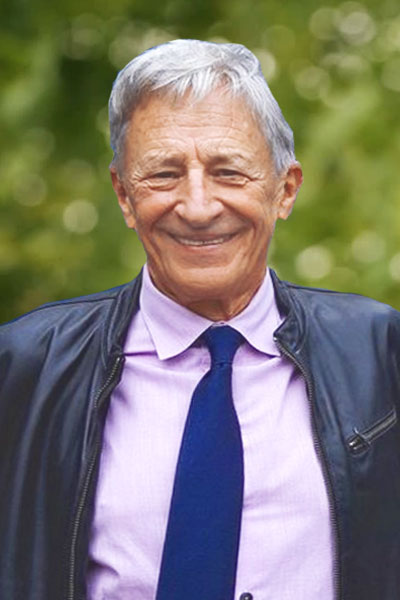
Research Interests
Mathematical modeling of cellular and tissue electrophysiology. Analysis of data from experimental and clinical arrhythmias using techniques of nonlinear dynamics (“chaos theory”). Development of pharmacologic and electrophysiologic interventions to prevent or control arrhythmias.
Education
B.A., Math and Philosophy, Cornell University
Ph.D., Philosophy/Mathematics, Harvard University
Alan Grinnell

Biography
PhD Harvard, 1962; Junior Fellow, Harvard, 1959-62; postdoc UCLondon, 1962-64; UCLA faculty, 1964-present, Departments of Physiology (SOM) and Integrative Biology and Physiology IBP (College); Director, Jerry Lewis Neuromuscular Research Center, 1978-2001; Director, Ahmanson Laboratory of Neurobiology, 1979-2004; Chair, IBP Department 1997-2001; Associate Dean of Life Sciences for Personnel, 2010-
Research Interests
Adaptations of the auditory nervous system of echolocating bats that enable them to orient and hunt using echoes of emitted sounds as a substitute for vision. Also, bat echolocation behavior and feeding strategies. Trophic influences between nerve and muscle governing number, size and strength of nerve terminals. Regulation of neurotransmitter release and properties of presynaptic active zones.
Specific Recent Projects: a. Using Xenopus nerve-muscle cell cultures, patch electrode recordings can be made simultaneously from presynaptic varicosities and postsynaptic muscle cells. Large conductance Ca2+-dependent K+ (BK) channels that co-localize with Ca2+ channels at presynaptic active zones (AZs) can be used to report [Ca2+] at AZs and correlate this direct measurement with neurotransmitter release. This allows correlation of ionic currents with transmitter release and modulation of release, and analysis of molecular mechanisms of release. b. Using mature frog neuromuscular preparations, we are studying the mechanisms of regulation of transmitter release efficacy by muscle stretch, mediated by integrins. c. Using an old world flying fox bat that has excellent night vision but also has evolved good echolocation, we are attempting to determine whether they can shift seamlessly from one modality to the other. I also have a long-standing interest in the art and iconography of preColumbian ceramics from Central Panama.
Education
B.A., Biology, Harvard University 1958
Ph.D., Biology, Harvard University 1962
Selected Publications
Grinnell AD. (2018) Early milestones in the study of echolocation in bats. J Comp Physiol A Neuroethol Sens Neural Behav Physiol. 2018 Jun;204(6):519-536. doi: 10.1007/s00359-018-1263-3. Epub 2018 Apr 23. Review.
Sun XP, Chen BM, Sand O, Kidokoro Y, Grinnell AD. (2010) Depolarization-induced Ca2+ entry evokes release of large quanta in the developing Xenopus neuromuscular junction.J Neurophysiol. 2010 Nov;104(5):2730-40. doi: 10.1152/jn.01041.2009. Epub 2010 Sep 15. PMID: 20844112
Sun XP, Yazejian B, Grinnell AD. (2004) Electrophysiological properties of BK channels in Xenopus motor nerve terminals. J Physiol. 2004 May 15;557(Pt 1):207-28. Epub 2004 Mar 26. PMID: 15047773
Yazejian B, Sun XP, Grinnell AD. (2000) Tracking presynaptic Ca2+ dynamics during neurotransmitter release with Ca2+-activated K+ channels. Nat Neurosci. 2000 Jun;3(6):566-71. PMID: 10816312
Chen BM, Grinnell AD. (1997) Kinetics, Ca2+ dependence and biophysical properties of integrin-mediated mechanical modulation of transmitter release from frog motor nerve terminals. J Neurosci. 1997 Feb 1;17(3):904-16.PMID: 8994045
Claudio Villanueva
Claudio Villanueva
Associate Professor

Email: cvillanueva@g.ucla.edu
Office: 27-200K CHS
Phone: (310) 825-4369
Website: https://sites.lifesci.ucla.edu/ibp-villanuevalab/
Biography
Professor Villanueva completed his undergraduate training at Cal State San Bernardino where he studied hormonal regulation of sodium uptake across the abdominal epithelium. He was fascinated by the way multicellular organisms’ sense and adapt to the surrounding environment. This early training sparked his interest in Integrative Physiology. As a Ph.D. student at UCSF, he trained at the Gladstone Institute of Cardiovascular Disease, where he studied lipid metabolism. He investigated the role of DGAT enzymes in fatty liver disease. His postdoc training was completed at UCLA, where he studied transcriptional mechanisms that regulate cellular programming of metabolism. He was recruited to the Department of Biochemistry at the University of Utah School of Medicine, and in 2019 joined the Department of Integrative Biology and Physiology at UCLA. His research aims to understand the metabolic adaptations required for cold adaptation in mammals.
Research Interests
Dr. Villanueva is interested in understanding how cells sense and control metabolism in response to stressors like temperature. The ability to maintain a constant body temperature despite a changing environment can lead to dramatic changes in energy expenditure. This requires an understanding of integrative metabolism and physiology. His lab will explore the molecular mechanisms that promote energy expenditure. He wants to understand how adipocytes regulate energy balance and how they communicate with the liver. These studies will provide opportunities for intervening in metabolic diseases that are associated with obesity.
Education
B.A., Biology, California State University, San Bernardino 2001
Ph.D., Lipid Biochemistry, University of California, San Francisco 2007
Selected Publications
Bensard CL, Wisidagama DR, Olson KA, Berg JA, Krah NM, Schell JC, Nowinski SM, Fogarty S, Bott AJ, Wei P, Dove KK, Tanner JM, Panic V, Cluntun A, Lettlova S, Earl CS, Namnath DF, Vázquez-Arreguín K, Villanueva CJ, Tantin D, Murtaugh LC, Evason KJ, Ducker GS, Thummel CS, Rutter J. “Regulation of Tumor Initiation by the Mitochondrial Pyruvate Carrier.”
Cell Metab. 31(2):284-300 (2020).
Anthony RP Verkerke, Patrick J Ferrara, Chien-Te Lin, Jordan M Johnson, Terence E Ryan, J Alan Maschek, Hiroaki Eshima, Christopher W Paran, Brenton T Laing, Piyarat Siripoksup, Trevor S Tippetts, Edward J Wentzler, Hu Huang, Espen E Spangenburg, Jeffrey J Brault, Claudio J Villanueva, Scott A Summers, William L Holland, James E Cox, Dennis E Vance, P Darrell Neufer, Katsuhiko Funai., “Phospholipid methylation regulates muscle metabolic rate through Ca 2+ transport. efficiency”, Nature Metabolism, 1 : 876-885 (2019) .
Charisse Petersen, Rickesha Bell, Kendra A Klag, Soh-Hyun Lee, Raymond Soto, Arevik Ghazaryan, Kaitlin Buhrke, H Atakan Ekiz, Kyla S Ost, Sihem Boudina, Ryan M O’Connell, James E Cox, Claudio J Villanueva, W Zac Stephens, June L Round., “T cell-mediated regulation of the microbiota protects against obesity”, Science, 365 (6451): (2019) .
Gisela Geoghegan, Judith Simcox, Marcus M Seldin, Timothy J Parnell, Chris Stubben, Steven Just, Lori Begaye, Aldons J Lusis, Claudio J Villanueva., “Targeted deletion of Tcf7l2 in adipocytes promotes adipocyte hypertrophy and impaired glucose metabolism”, Molecular Metabolism, 24 : 44-63 (2019).
Stephanie Pearson, Anne Loft, Prashant Rahbhandari, Judith Simcox, Sanghoon Lee, Peter Tontonoz, Susanne Mandrup, Claudio J Villanueva., “Loss of TLE3 promotes the mitochondrial program in beige adipocytes and improves glucose metabolism”, Genes & Development, (2019).
Marah C Runtsch, Morgan C Nelson, Soh-Hyun Lee, Warren Voth, Margaret Alexander, Ruozhen Hu, Jared Wallace, Charisse Petersen, Vanja Panic, Claudio J Villanueva, Kimberley J Evason, Kaylyn M Bauer, Timothy Mosbruger, Sihem Boudina, Mary Bronner, June L Round, Micah J Drummond, Ryan M O’Connell., “Anti-inflammatory microRNA-146a protects mice from diet-induced metabolic disease”, PLOS Genetics, 15 (2): (2019).
Gilles Storelli, Hyuck-Jin Nam, Judith Simcox, Claudio J Villanueva, Carl S Thummel., “Drosophila HNF4 directs a switch in lipid metabolism that supports the transition to adulthood”, Developmental Cell, 48 (2): 200-214 (2019).
Simon T Bond, Sarah C Moody, Yingying Liu, Mete Civelek, Claudio J Villanueva, Paul Gregorevic, Bronwyn A Kingwell, Andrea L Hevener, Aldons J Lusis, Darren C Henstridge, Anna C Calkin, Brian G Drew., “The E3 ligase MARCH5 is a PPARγ target gene that regulates mitochondria and metabolism in adipocytes”, American Journal of Physiology-Endocrinology and Metabolism, 316 (2): E293-E304 (2018).
Santhosh Karanth, JD Adams, Maria de los Angeles Serrano, Ezekiel B Quittner-Strom, Judith Simcox, Claudio J Villanueva, Lale Ozcan, William L Holland, H Joseph Yost, Adrian Vella, Amnon Schlegel., “A Hepatocyte FOXN3-α Cell Glucagon Axis Regulates Fasting Glucose”, Cell Reports, 24 (2): 312-319 (2018).
Judith Simcox, Gisela Geoghegan, John Alan Maschek, Claire L Bensard, Marzia Pasquali, Ren Miao, Sanghoon Lee, Lei Jiang, Ian Huck, Erin E Kershaw, Anthony J Donato, Udayan Apte, Nicola Longo, Jared Rutter, Renate Schreiber, Rudolf Zechner, James Cox, Claudio J Villanueva, “Global Analysis of Plasma Lipids Identifies Liver-Derived Acylcarnitines as a Fuel Source for Brown Fat Thermogenesis”, Cell Metabolism, 26 (3): 509-522 (2017) .
David Walker
David Walker
Professor
Vice Chair of Academic Personnel

Email: davidwalker@ucla.edu
Office: 2018 TLSB
Phone: (310) 825-7179
Biography
I completed my undergraduate degree in Genetics at Queen’s University of Belfast, Northern Ireland. I then went on to complete both Master’s and Ph.D. degrees at the University of Manchester, UK. I carried out postdoctoral work at the California Institute of Technology (Caltech), where I received training in Drosophila genetics in the laboratory of Seymour Benzer and training in mitochondrial biology in the laboratory of Giuseppe Attardi. I established my independent research group at UCLA in 2007.
Research Interests
The mechanisms that cause the deterioration of cellular functions during the aging process remain poorly understood. Our lab is using the powerful genetics of the fruit fly Drosophila melanogaster to better understand the molecular and cellular mechanisms of aging. Drosophila has proven to be an invaluable resource for understanding many molecular and cellular mechanisms of human disease, powered by versatile gene discovery methods and a biology that has much in common with that of humans. The long-term aim of this research is to provide novel therapeutic targets to counteract age-related human diseases.
Education
B.S., Genetics, Queen’s University Belfast 1995
MRes, Molecular Biology, University of Manchester 1996
Ph.D., Genetics, University of Manchester 2000
Selected Publications
Schmid, E.T., Schinaman, J.M., Liu-Abramowicz, N., Williams, K.S., Walker, D.W. Accumulation of F-actin Drives Brain Aging and Limits Healthspan in Drosophila. Nature Communications 15, 9238 (2024).
Schmid, E.T., Pyo, JH. & Walker, D.W. Neuronal induction of BNIP3-mediated mitophagy slows systemic aging in Drosophila. Nature Aging 2, 494–507 (2022).
Aparicio, R., Schmid, E.T. & Walker, D.W. Gut mitochondrial defects drive neurodegeneration. Nature Aging 2, 277–279 (2022).
Aparicio, R., Rana, A., Walker, D.W., “Upregulation of the Autophagy Adaptor p62/SQSTM1 Prolongs Health and Lifespan in Middle-Aged Drosophila”, Cell Reports, 28 : 1029-1040 (2019).
Schinaman, J.S., Rana, A., Ja, W.W., Clark, R.I., & Walker, D.W., “Rapamycin modulates tissue aging and lifespan independently of the gut microbiota in Drosophila”, Scientific Reports, 9 (1): 7824- (2019).
Salazar A.M., Resnik-Docampo M., Ulgherait, M., Clark R.I., Shirasu-Hiza M., Jones, D.L., Walker, D.W., “Intestinal Snakeskin Limits Microbial Dysbiosis during Aging and Promotes Longevity”, iScience, 9 : 229-243 (2018).
Hansen M., Rubinsztein, D.C., Walker, D.W., “Autophagy as a promoter of longevity: insights from model organisms”, Nature Rev Mol Cell Biol, 19 (9): 579-593 (2018).
Rana A, Oliveira MP, Khamoui AV, Aparicio R, Rera M, Rossiter HB, Walker DW, ” Promoting Drp1-mediated mitochondrial fission in midlife prolongs healthy lifespan of Drosophila melanogaster”, Nature Communications, 8 (1): 448- (2017).
Resnik-Docampo M, Koehler CL, Clark RI, Schinaman JM, Sauer V, Wong DM, Lewis S, D’Alterio C, Walker DW, Jones DL, “Tricellular junctions regulate intestinal stem cell behaviour to maintain homeostasis”, Nature Cell Biology, 19 (1): 52-59 (2017).
Clark RI, Salazar A, Yamada R, Fitz-Gibbon S, Morselli M, Alcaraz J, Rana A, Rera M, Pellegrini M, Ja WW, Walker DW., “Distinct Shifts in Microbiota Composition during Drosophila Aging Impair Intestinal Function and Drive Mortality”, Cell Reports, 12 (10): 1656-1667 (2015) .
Ulgherait M., Rana A., Rera M., Graniel J., Walker D.W., “AMPK Modulates Tissue and Organismal Aging in a Non-Cell-Autonomous Manner”, Cell Reports, 8 (6): 1767-1780 (2014).
Rana A, Rera M, Walker D.W., “Parkin overexpression during aging reduces proteotoxicity, alters mitochondrial dynamics, and extends lifespan”, Proc Natl Acad Sci USA, 110 : 8638-8643 (2013).
Rera, M, Clark, R.I., Walker D.W., “Intestinal barrier dysfunction links metabolic and inflammatory markers of aging to death in Drosophila”, Proc Natl Acad Sci USA, 109 (52): 21528-21533 (2012).
Art Arnold
Art Arnold
Distinguished Professor

Email: arnold@ucla.edu
Office: 1129 TLSB
Phone: (310) 825-2169
Website: https://arnoldlab.ibp.ucla.edu/
Biography
I graduated from Grinnell College, and received my PhD from Rockefeller University. Since 1976, I have been a professor at UCLA. I was Chair of the Department of Physiological Science (now Integrative Biology & Physiology) at UCLA (2001-2009), and Director of the Laboratory of Neuroendocrinology of the Brain Research Institute (2005-2017). I was inaugural President of the Society of Behavioral Neuroendocrinology (1997-1999), and received the SBN Lehrman Lifetime Achievement Award in 2010. I was founding Editor-in-Chief of Biology of Sex Differences (2010-2018).
Research Interests
The Arnold lab studies biological factors that make males and females different. Many diseases affect the two sexes differently, implying that one sex is protected or harmed by factors in one sex. It is important to identify the mechanisms underlying the sex difference as one strategy to identify factors that are protective. These factors might be targets for novel therapies.
Many sex differences in physiology and disease are caused by sex hormones coming from the testes or ovaries. We have found, however, that some sex differences also are caused by genes on the sex chromosomes that act outside of the gonads. We are interested in constructing a general theory of sex determination and sexual differentiation that applies to any tissue.
We have used several animal models that offer significant advantages for understanding the factors that cause sex bias in physiology. One is the Four Core Genotypes model, in which the type of the gonad of the animal (testes or ovaries) is not related to its complement of sex chromosomes (XX or XY). This model allows comparing mice that have different sex chromosomes but the same type of gonad, to find traits that are influenced by the complement of sex chromosomes.
Education
A.B., Psychology, Grinnell College 1967
Ph.D., Neurobiology and Behavior, The Rockefeller University 1974
Selected Publications
Arnold AP. 2019 Rethinking sex determination of non-gonadal tissues. Current Topics in Developmental Biology 2019; 134:289-315.
Itoh Y, Golden LC, Itoh N, Matsukawa MA, Ren E, Tse V, Arnold AP, Voskuhl RR. 2019 The X-linked histone demethylase Kdm6a in CD4+ T lymphocytes modulates autoimmunity. Journal of Clinical Investigation 130:3852-3863.
Arnold AP, Disteche CM. 2018 Commentary: Sexual inequality in the cancer cell. Cancer Research 78: 5504-5505.
Umar S, Cunningham CM, Itoh Y, Moazeni S, Vaillancourt M, Sarji S, Centala A, Arnold AP, Eghbali M. 2018 The Y chromosome plays a protective role in experimental hypoxic pulmonary hypertension. American Journal of Respiratory and Critical Care Medicine 197(7):952-955.
Mauvais-Jarvis F, Arnold AP, Reue K. 2017 A guide for the design of pre-clinical studies on sex differences in metabolism. Cell Metabolism 25:1216-1230.
Arnold AP. 2017 A general theory of sexual differentiation. Journal of Neuroscience Research 95:291-300. Online 7 November 2016.
Arnold AP, Cassis LA, Eghbali M, Reue K, Sandberg K. 2017 Sex hormones and sex chromosomes cause sex differences in the development of cardiovascular diseases. Artheriosclerosis Thrombosis & Vascular Biology 37:746-756.
Burgoyne PS, Arnold AP 2016 A primer on the use of mouse models for identifying direct sex chromosome effects on non-gonadal tissues that cause sex differences in traits. Biology of Sex Differences 7:68.
Du S., Itoh N, Askarinama S, Hilla H, Arnold AP, Voskuhl RR. 2014 XY sex chromosome complement, compared with XX, in the CNS confers a greater neurodegenerative response to injury. Proceedings of the National Academy of Sciences, USA, 111:2806-2811.
Chen X, McClusky R, Chen J, Beaven SW, Tontonoz P, *Arnold AP, *Reue K (*equal last authors). 2012 The number of X chromosomes causes sex differences in adiposity and metabolism in mice. PLoS Genetics 8(5):e1002709. Epub 2012 May 10
Gene Block
Gene Block
Distinguished Professor
Chancellor

Email: chancellor@ucla.edu
Office: 2147 Murphy Hall
Phone: (310) 825-2151
Website: https://chancellor.ucla.edu/
Education
B.A. Psychology, Stanford University 1970
M.S., Psychology, University of Oregon 1972
Ph.D., Psychology, University of Oregon 1975
Rachelle Crosbie
Rachelle Crosbie
Professor
Department Chair

Email: rcrosbie@physci.ucla.edu
Office: 2121 TLSB
Phone: (310) 794-2103
Website: https://crosbie.ibp.ucla.edu/
Biography
Rachelle was raised in the Big Thicket of southeast Texas and spent her childhood in search of crawdads, water moccasins, and cottonmouths near the bayou. At the age of nine, she moved with her family to Saudi Arabia, where she learned to scuba dive, ride a camel, and survive in the Arabian desert. All of these adventures prepared her for a life in academia. During college, a summer internship at M.D. Anderson Cancer Center in Houston sparked her interest in pursuing a career in research. She completed her Ph.D. graduate thesis with Professor Emil Reisler in the Department of Biochemistry at UCLA. During this time, she developed a love of protein biochemistry and an appreciation of the intricate relationship between the structure and function of contractile proteins that drive movement in skeletal muscle. As a graduate student, she was also passionate about education and received departmental awards for research and teaching. She then pursued postdoctoral research training in the laboratory of Professor and HHMI Investigator Kevin P. Campbell at the University of Iowa Carver College of Medicine, during which time she was supported by the Robert Sampson Postdoctoral Fellowship from the Muscular Dystrophy Association. Her research was focused on Duchenne muscular dystrophy, which is the most common of the rare diseases that affect children. During her postdoctoral research, she discovered a muscle protein that is associated with dystrophin and assigned it the name sarcospan based on its multiple sarcolemma-spanning domains. Her lab is now focused on basic and translational research of muscular dystrophies. She maintains her passion for education and teaching. She is a National Academies Education Scholar and was awarded the UCLA campus-wide Chancellor’s Distinguished Teaching Award, the Coalition Duchenne Lotus Award, the Golden Test Tube Award, and the Life Sciences Award for Teaching Innovation. She developed a fully online course on Duchenne muscular dystrophy that is offered at all University of California campuses and beyond. She leads a NIH T32 training grant program that supports graduate students and postdoctoral fellows in muscle laboratories at UCLA. The results from her first education focused research study were recently published (Choe et al., 2019 CBE Life Sci Edu). The article describes a new coding method to determine the student engagement value of asynchronous online lecture videos. A second manuscript that is in preparation is focused on how students experience online courses. When out of the lab, Professor Crosbie enjoys driving her 1968 corvette on the Pacific Coast Highway.
Research Interests
Loss of appropriate connection between the muscle cell membrane and its surrounding extracellular matrix is a critical initiating event in Duchenne muscular dystrophy (DMD), which is an inherited muscle wasting disorder that affects all skeletal and cardiac muscles. In fact, there are more children with this inherited muscle-wasting disorder than with all combined childhood cancers; yet there is no treatment. Whereas survival rates for childhood cancers have increased from 58% in 1975-1977 to 80% in 1996-2003, survival rates for DMD have remained the same, 0%. Thirty percent of the mutations in the dystrophin gene are spontaneous, which means that DMD will always be present in the population. Professor Crosbie’s research group has developed the use of the myofiber’s own compensatory mechanisms as a strategy to ameliorate dystrophic muscle. Such approaches are advantages in that they have the potential to target all DMD cases, regardless of the specific dystrophin mutation. Her lab has discovered that sarcospan, a transmembrane protein, evokes a set of molecular events that, when individually activated in DMD muscle, ameliorate dystrophin-deficient disease including cardiac, respiratory, and skeletal muscle dysfunction. The Crosbie lab has identified new chemical entities (small compounds) that activate sarcospan in DMD muscle cells, which the lab is pursuing as a treatment for DMD. Professor Crosbie’s group has also developed an in vitro platform to investigate the interaction of muscle resident cells with the extracellular matrix as a mechanism to investigate the effect of fibrosis on muscle function in health and disease. Professor Crosbie’s research has been continuously funded by NIH R01 grants, in addition to grants from industry and non-profit organizations.
Education
B.S., Biochemistry, Texas A&M University 1989
Ph.D., Biochemistry, University of California, Los Angeles 1994
Postdoctoral Fellowship, University of Iowa Carver College of Medicine
Selected Publications
Shu C, Kaxon-Rupp AN, Collado JR, Damoiseaux R, Crosbie RH (2019) ‘Development of a high-throughput screen to identify small molecule enhancers of sarcospan for the treatment of Duchenne muscular dystrophy.’ Skelet Muscle, 9 (1): 32. PMID: 31831063.
Choe RC, Scuric Z, Eshkol E, Cruser S, Arndt A, Cox R, Toma SP, Shapiro C, Levis-Fitzgerald M, Barnes G, Crosbie RH (2019) ‘Student Satisfaction and Learning Outcomes in Asynchronous Online Lecture Videos.’ CBE Life Sci Educ, 18 (4): ar55. PMID: 31675279.
Gibbs EM, Barthélémy F, Douine ED, Hardiman NC, Shieh PB, Khanlou N, Crosbie RH, Nelson SF, Miceli MC (2019) ‘Large in-frame 5′ deletions in DMD associated with mild Duchenne muscular dystrophy: Two case reports and a review of the literature.’ Neuromuscul Disord, 29 (11): 863-873. PMID: 31672265.
Parvatiyar MS, Brownstein AJ, Kanashiro-Takeuchi RM, Collado JR, Dieseldorff Jones KM, Gopal J, Hammond KG, Marshall JL, Ferrel A, Beedle AM, Chamberlain JS, Renato Pinto J, Crosbie RH (2019) ‘Stabilization of the cardiac sarcolemma by sarcospan rescues DMD-associated cardiomyopathy.’ JCI Insight, 4 (11): 1-21. PMID: 31039133.
Eric Deeds
Eric Deeds
Professor
Vice Chair, Life Sciences Core

Email: deeds@ucla.edu
Office: 570E Boyer Hall
Phone: (310) 825-1034
Website: https://deedslab.ibp.ucla.edu
Education
B.S., Biochemistry, Case Western Reserve University 2001
B.A., English, Case Western Reserve University 2001
A.M., Biology, Harvard University 2003
Ph.D., Biology, Harvard University 2005
Selected Publications
Vakser, I. A. and Deeds, E. J., “Computational Approaches to Macromolecular Interactions in the Cell”, Curr Opin Struct Biol, 55 : 59-65 (2019) .
Shockley, E. M., Rouzer, C. A., Marnett, L. J., Deeds, E. J. and Lopez, C. F., “Signal integration and information transfer in an allosterically regulated network”, npc Syst Biol Appl, 5 (1): 324-333 (2019) .
Suderman, R. and Deeds, E. J., “Intrinsic limits on information transfer in cellular signaling networks”, Interface Focus, 8 (6): 20180039- (2018) .
Nariya MK, Kim JH, Xiong J, Kleindl PA, Hewarathna A, Fisher AC, Joshi SB, Schneich C, Forrest ML, Middaugh CR, Volkin DB, Deeds EJ, “Comparative Characterization of Crofelemer Samples Using Data Mining and Machine Learning Approaches With Analytical Stability Data Sets”, Journal of pharmaceutical sciences, 106 (11): 3270-3279 (2017) .
Rowland MA, Greenbaum JM, Deeds EJ, “Crosstalk and the evolvability of intracellular communication”, Nature communications, 8 : 16009- (2017) .
Suderman R, Bachman JA, Smith A, Sorger PK, Deeds EJ, “Fundamental trade-offs between information flow in single cells and cellular populations”, Proceedings of the National Academy of Sciences of the United States of America, 114 (22): 5755-5760 (2017) .
Kleindl PA, Xiong J, Hewarathna A, Mozziconacci O, Nariya MK, Fisher AC, Deeds EJ, Joshi SB, Middaugh CR, Schneich C, Volkin DB, Forrest ML, “The Botanical Drug Substance Crofelemer as a Model System for Comparative Characterization of Complex Mixture Drugs”, Journal of pharmaceutical sciences, 106 (11): 3242-3256 (2017) .
Hewarathna A, Mozziconacci O, Nariya MK, Kleindl PA, Xiong J, Fisher AC, Joshi SB, Middaugh CR, Forrest ML, Volkin DB, Deeds EJ, Schneich C, “Chemical Stability of the Botanical Drug Substance Crofelemer: A Model System for Comparative Characterization of Complex Mixture Drugs”, Journal of pharmaceutical sciences, 106 (11): 3257-3269 (2017) .
Nariya MK, Israeli J, Shi JJ, Deeds EJ, “Mathematical Model for Length Control by the Timing of Substrate Switching in the Type III Secretion System”, PLoS computational biology, 12 (4): e1004851- (2016) .
Wani PS, Rowland MA, Ondracek A, Deeds EJ, Roelofs J, “Maturation of the proteasome core particle induces an affinity switch that controls regulatory particle association”, Nature communications, 6 (6384): (2015) .
Mark Frye
Mark Frye
Professor
Director of Molecular, Cellular and Integrative Physiology (MCIP) Interdepartmental Ph.D. Program

Email: frye@ucla.edu
Office: 2014 TLSB
Phone: (310) 825-5360
Website: https://sites.lifesci.ucla.edu/ibp-frye/
Biography
Professor Frye grew up in upstate New York, and after completing a BA in psychology at SUNY Oneonta, he expanded his studies of neuroscience at Union College, where he received his MS for research on the cellular neurophysiology of dragonfly vision with Robert Olberg. He moved to University of Washington to complete a PhD on the sensory biomechanics of flight control in the hawkmoth under the mentorship of Tom Daniel and Jim Truman. His postdoctoral training was with Michael Dickinson at UC Berkeley and Caltech studying multimodal sensory control of flight behavior in Drosophila. In his own lab he uses virtual reality behavior, neurogenetics, and live brain imaging to understand how sensory signals are encoded, fused across modalities, and transformed into the motor control of complex behavior.
Research Interests
General introduction How are flexible and robust animal behaviors orchestrated by the nervous system? Different forms of this general question have occupied neuroscientists for decades. Great strides have been made toward describing the elements of nervous system development, structure, and function. Our next challenge is to examine how behavior emerges from the interactions among genetic, cellular, cell-system, and organ-system levels of organization. My laboratory studies these interactions in a powerful model system ? the fruit fly Drosophila melanogaster. Whereas research with Drosophila is most often focused within the molecular-genetic spectrum of modern biology, this animal also shows remarkable behavioral performance, making its living navigating vast distances through complex visual landscapes in search of the source of an attractive odor. A fly?s sophisticated navigation capabilities emerge from the fusion of multiple sensory modalities and transformation of a robust motor code. By combining the rapidly expanding toolkit of fruit fly molecular genetics with live imaging and ‘virtual reality’ behavioral techniques, we hope to reveal the functional mechanisms and structural circuits with which the fly brain coordinates the biomechanics and dynamics of complex sensory behavior. The results of this cross-disciplinary approach could have broad impact on our understanding of the general principles of sensory fusion and sensory-motor integration common among animal taxa, and also motivate specialized technical advances in bio-inspired robotic devices.
Education
M.S., Neuroscience, Union College 1992
Ph.D., Zoology, University of Washington 2000
Selected Publications
Keleş MF, Hardcastle BJ, Städele C, Xiao Q, Frye MA. Inhibitory Interactions
and Columnar Inputs to an Object Motion Detector in Drosophila. Cell Reports, (7):2115-2124 (2020).
Cheng KY, Frye MA. Neuromodulation of insect motion vision. Journal of Comparative Physiology A. 206(2):125-137 (2020).
Mongeau JM, Frye MA, “Flies spatio-temporally integrate visual signals to control saccades”, Current Biology, 27 (9): 2901-2914 (2017) .
Aptekar JW, Keles MF, Lu PM, Zolotova NM, Frye MA, “Neurons forming optic glomeruli compute figure-ground discriminations”, J Neuroscience, 35 : 7587-7599 (2015) .
Frye MA, “Quick guide: Elementary motion detectors”, Curr Biol, 25 : R215-217 (2015) .
Wasserman SW, Aptekar JW, Lu PM, Nguyen J, Wang AL, Keles MF, Grygoruk A, Krantz DE, Larsen C, Frye MA, “Olfactory neuromodulation of motion vision circuitry in Drosophila”, Curr Biol, 25 : 467-472 (2015) .